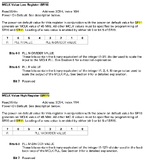
Yeah, I've repaired a fair few PCI video cards. I've never seen issues only while 2D acceleration is running before though.It could also be a defective ram chip, flakey connection, a defective resistor, a defective GPU .... so many options ...
It can't be a loose connection to VRAM or a bad trace / pin if I can use the almost full VRAM as a framebuffer without issue (I can do 1920x1024 at 8 bit fine, which is about 1.875MB out of the 2MB available.
I should perhaps move it to a slightly more period appropriate age computer perhaps, to reduce variables.
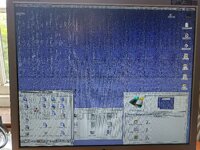




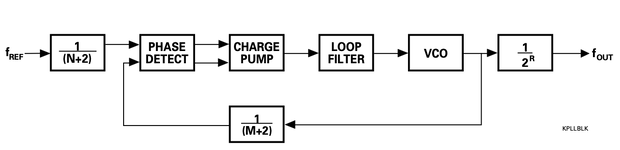
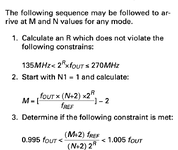
 I have run my 9600 as a 601 based 9600/100 for a while. It puts a smile on my face. It actually benchmarks faster than a 100MHz 8100, I assume due to the RAM or Cache performance.