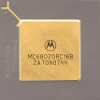
So, I got a SE/30 for free since it was in pretty bad condition, screen burn in, dead HDD, and horizontal bars and no startup chime, now I've never had to restore a mac like this, my Classic II has never given me any issues (and of which i have removed the clock battery to prevent leakage)
So, i quickly learned these horizontal lines are due to leaky capacitors, so i took the computer apart and pulled everything out. The insides of the computer was not good, the battery had leaked a fair bit, even causing rust on the metal frame as well as the positive battery terminal. The parts around the battery seemed fairly fine except the solder on the pads looked a bit weird, but the Y1 Oscillator on the board had been hit the hardest by this and the entire component has white spots and the legs broke off during cleaning, I did repair the legs using the leg trimmings from the capacitors i used for replacing. So I removed all the caps, managed to not lift any traces, while i intended to remove them carefully with heat, they just came off extremly easily. I washed the board with white vinegar, and then proceeded to rins it, I let it dry for two days in front of the space heater which dried it off rapidly. Replacing the capacitors and fixing the Y1 Oscillator, i tried to power the mac back on, but nothing has changed, so i took the rom out, saw some corrosion on the contacs, cleaned with denaturated ethanol and tried again, no dice, cleaned withwhite vinegar and then more ethanol, still nothing. So it seems it's dead, or there's something i've missed, I intend to take off the battery holder entirely tomorrow and check the traces running under it, but if anyone here has any tips on how to revive this old computer, then please do tell.
So, i quickly learned these horizontal lines are due to leaky capacitors, so i took the computer apart and pulled everything out. The insides of the computer was not good, the battery had leaked a fair bit, even causing rust on the metal frame as well as the positive battery terminal. The parts around the battery seemed fairly fine except the solder on the pads looked a bit weird, but the Y1 Oscillator on the board had been hit the hardest by this and the entire component has white spots and the legs broke off during cleaning, I did repair the legs using the leg trimmings from the capacitors i used for replacing. So I removed all the caps, managed to not lift any traces, while i intended to remove them carefully with heat, they just came off extremly easily. I washed the board with white vinegar, and then proceeded to rins it, I let it dry for two days in front of the space heater which dried it off rapidly. Replacing the capacitors and fixing the Y1 Oscillator, i tried to power the mac back on, but nothing has changed, so i took the rom out, saw some corrosion on the contacs, cleaned with denaturated ethanol and tried again, no dice, cleaned withwhite vinegar and then more ethanol, still nothing. So it seems it's dead, or there's something i've missed, I intend to take off the battery holder entirely tomorrow and check the traces running under it, but if anyone here has any tips on how to revive this old computer, then please do tell.