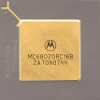
To be fair, I believe only two 68k Macs shipped with "Vampire Video" -- the IIci and the IIsi. Every other 68k Mac's onboard video, including all '040s, has dedicated VRAM.
And, this all brings about what I consider to be a very important point. At the end of the day, all these things perform extremely similar to one-another. The performance of a 40MHz '040 is going to be "pretty good" all things considered whether you upgrade a 475/605, 610, 650/800, 700/900, 950, or use an 840 directly. The advantages of having 20 megs of more of RAM are going to be apparent on all of those systems.
I used a 578 before (or after? I forget) I had my original 840 *(actually, it was after, I remember pulling the 040@40 out of the 840 and putting it in the 578 after the 840 died) for a while and it was just fine, even though I never overclocked it, so it was probably running at 25 or 33MHz.
And that's another point. In real day to day usage unless you're doing something balls-to-the-wall crazy like gaussian blurs on a long video or something, I don't think most people will really notice the difference between a 33MHz and a 40MHz system. Hell, for most things I don't think people will notice the difference between a 25 and a 40.
As to performa bundles - some of them were great. Really, if you were in a SOHO situation, performa bundle was probably a great starting point. Just delete the edutainment off the disk and if you find you need more than Clarisworks, upgrade.
There were interesting exceptions to the "mouse and TeachText" rule over the years. I believe there was a particular Color Classic bundle which included ClarisWorks, and the PowerBook 1400's software bundle included ClarisWorks, Claris Organizer, and some Internet software (despite not bundling a modem, but I appreciate the sentiment.) At around the same time, there were office-specific bundles of machines like the 6500 and the 4400 (which I forgot earlier) which also included ClarisWorks, MYOB Accounting, Organizer, and some other things.
Having business bundles was a clever way for Apple to sell to people trying to buy a computer for a "home office" that didn't have kids or to buy a first or replacement computer for a business.
Also, yes, the Performas and the G3s do not coincide, I believe, at all. Perhaps the 6500 or 5500 was available for a few months leading up to the iMac, but I believe the Performa branding had been dropped by then.
Fragmented is the wrong word for Apple's product line. It was a pretty continuous gradient from the baseline 1400 models selling on clearance up to the 9600s that started at nearly $5000. There weren't very many holes by 1997, but there were ultimately too many models. I believe Jobs said there were 15 or 17 or so in total.
In numerical order, this is what was on sale at some point in 1997 before the introduction of the Power Macintosh G3, from Apple:
Needless to say, it was an utter mess, and by mid 1998 when all these models had finally been phased out it must have felt like a breath of fresh air. There was an awful lot of flexibility in the beige G3 family, and Apple could probably have kept selling it a little longer if they wanted to, although the blue-and-white G3 was a very well received successor to it.
In addition, when you lay it out like that there isn't really any indication of what each machine is for and what you can get with each. Nor is there any particularly good indication of, say, performance. You pretty much needed a magazine (preferably the whole years' worth, really) or a getting started guide to tell you what was good. Cutting that fat was probably one of the best things Apple could have done for itself.
Of note, the Power Macintosh G3s included AppleDesign keyboards and Apple has included keyboards with all of its machines except the Mac mini (BYODKM!) since. Also vaguely interesting is that since around 2013 or so Apple has been officially bundling iLife and iWork with Macs and iOS devices, which is probably one of the closest things the computing industry has to a performa bundle today. Perhaps Apple should sell a model of the 1.4GHz ULV iMac with kids.pbs.org and a sanitized version of wikipedia preloaded on the hard disk.
Also, just for funsies, I believe that the iMac G4 and eMac G4 were the last macs to come with one of the hallmarks of a performa bundle, an encyclopedia.
And, this all brings about what I consider to be a very important point. At the end of the day, all these things perform extremely similar to one-another. The performance of a 40MHz '040 is going to be "pretty good" all things considered whether you upgrade a 475/605, 610, 650/800, 700/900, 950, or use an 840 directly. The advantages of having 20 megs of more of RAM are going to be apparent on all of those systems.
I used a 578 before (or after? I forget) I had my original 840 *(actually, it was after, I remember pulling the 040@40 out of the 840 and putting it in the 578 after the 840 died) for a while and it was just fine, even though I never overclocked it, so it was probably running at 25 or 33MHz.
And that's another point. In real day to day usage unless you're doing something balls-to-the-wall crazy like gaussian blurs on a long video or something, I don't think most people will really notice the difference between a 33MHz and a 40MHz system. Hell, for most things I don't think people will notice the difference between a 25 and a 40.
As to performa bundles - some of them were great. Really, if you were in a SOHO situation, performa bundle was probably a great starting point. Just delete the edutainment off the disk and if you find you need more than Clarisworks, upgrade.
There were interesting exceptions to the "mouse and TeachText" rule over the years. I believe there was a particular Color Classic bundle which included ClarisWorks, and the PowerBook 1400's software bundle included ClarisWorks, Claris Organizer, and some Internet software (despite not bundling a modem, but I appreciate the sentiment.) At around the same time, there were office-specific bundles of machines like the 6500 and the 4400 (which I forgot earlier) which also included ClarisWorks, MYOB Accounting, Organizer, and some other things.
Having business bundles was a clever way for Apple to sell to people trying to buy a computer for a "home office" that didn't have kids or to buy a first or replacement computer for a business.
Also, yes, the Performas and the G3s do not coincide, I believe, at all. Perhaps the 6500 or 5500 was available for a few months leading up to the iMac, but I believe the Performa branding had been dropped by then.
Fragmented is the wrong word for Apple's product line. It was a pretty continuous gradient from the baseline 1400 models selling on clearance up to the 9600s that started at nearly $5000. There weren't very many holes by 1997, but there were ultimately too many models. I believe Jobs said there were 15 or 17 or so in total.
In numerical order, this is what was on sale at some point in 1997 before the introduction of the Power Macintosh G3, from Apple:
- 1400
- 2300
- 2400
- 3400
- 4400 (Called the 7220 in some markets.)
- 5300 (as a particularly low-cost option for education) (Outlived the 5400)
- 5500 (5400 until January or February.)
- 6360 (yes it existed into 1997)
- 6500
- TAM
- 7300 (WGS7350, also the WGS7250)
- 7600
- 8600 (8500 until ~January) (WGS 8550)
- 9600 (WGS9650) (9600 until ~January)
- ANS 500 (architecturally a 9500 but it ran AIX so I'm listing it last)
- ANS 700
Needless to say, it was an utter mess, and by mid 1998 when all these models had finally been phased out it must have felt like a breath of fresh air. There was an awful lot of flexibility in the beige G3 family, and Apple could probably have kept selling it a little longer if they wanted to, although the blue-and-white G3 was a very well received successor to it.
In addition, when you lay it out like that there isn't really any indication of what each machine is for and what you can get with each. Nor is there any particularly good indication of, say, performance. You pretty much needed a magazine (preferably the whole years' worth, really) or a getting started guide to tell you what was good. Cutting that fat was probably one of the best things Apple could have done for itself.
Of note, the Power Macintosh G3s included AppleDesign keyboards and Apple has included keyboards with all of its machines except the Mac mini (BYODKM!) since. Also vaguely interesting is that since around 2013 or so Apple has been officially bundling iLife and iWork with Macs and iOS devices, which is probably one of the closest things the computing industry has to a performa bundle today. Perhaps Apple should sell a model of the 1.4GHz ULV iMac with kids.pbs.org and a sanitized version of wikipedia preloaded on the hard disk.
Also, just for funsies, I believe that the iMac G4 and eMac G4 were the last macs to come with one of the hallmarks of a performa bundle, an encyclopedia.


 ] ]'>. All the upgrades I've ever done was Ethernet-- But I didn't pass up the opportunity to buy an
  ] ]'>!
 .
.