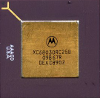
I've taken time during the holiday break to get back to souping up and fixing up a few oldies, and holy moly has it been frustrating. I've been tweaking and tinkering with old Macs for 20+ years off and on, but I don't remember it being this bad, and I'm guessing that aging electrical components are the likely culprit. These include:
Expansion cards have been maddening. I know the six slot machines can be picky when it comes to upper/lower slots, but sometimes things are screwed no matter how I swap things around. The Power Tower Pro took USB, Firewire, an IDE card, a GPU, and a gigabit PCI card like a champ. I didn't have a lot of problems with that one, but I didn't mess around with it too much before setting it aside.
With all the others, I've found that USB cards that are explicitly compatible with Mac OS 8.6+ (and these were NIB old stock I picked up that had it very clearly spelled out on the box/manual and work with the stock USB extensions) still don't work in OS 9. At best, they'll be recognized by Apple System Profiler as USB cards, and I get a blip of power on a thumbdrive LED when plugging it in, but then it goes dark and I get nothing else. These work in a Quicksilver in both OS 9 and X.
In the 9600 and the Daystar I found that a few old Opti chipset cards with 2 external ports would work in OS 9, but strangely they don't work in the Beige G3. I tried a flashed SIL3112 card in the 9600. It seemed to work. I booted from a SATA DVD drive hooked up to it and it formatted and installed to an SSD on the other port. But it would always lock up at the Mac OS 9 loading screen when trying to boot from the SSD. An IDE card with a SATA adapter on the SSD worked fine, though. Oddly, the same flashed SATA card seems to work fine in the Beige G3. I tried a native Seritek 1S2 in the 9600. It was fully recognized by Apple System Profiler, but could not see any drives attached to it no matter what I did. Again, this one works perfectly in the Quicksilver. The various IDE cards I have laying around have helped to bridge this gap, thankfully.
I popped a 1ghz G3 upgrade into the 9600 and tried getting 10.4 running on it via XPostFacto. No luck no matter what I did. I could get it to boot up from either a DVD or Firewire drive (with the helper drive option) and install. The installation would take hours and the video was quite choppy, as if there was no acceleration whatsoever. It still installed, though, but would hang when booting at the same point late in the process, usually where launchd started sleeping and it might complain about the old ROM on the Rage 128 (no change when the Radeon ME worked). One time it made it far enough to repeat a message every so often about waiting for printing services, but I never got a full boot. I ran XPF on a bunch of stuff ages ago and didn't remember it being this troublesome. It always had quirks, for sure, but this guy is just being stubborn.
The Daystar was inexplicably worse. I tossed in a drive that already had a 9.2.2 install on it with a bunch of other goodies. It worked, but it did not like the MP extensions when I installed them from the updater, so I figured I should start low and work up. It didn't want to boot from a DVD drive hooked up to the IDE card, even though the 9600 and PTP had no issues. The CD-ROM drive in it wasn't too keen on burned CDs, but I did get it to boot from a SCSI DVD drive. I burned an ISO of the stock Daystar install disk (7.5.3) and was able to boot and install from that, but it was really screwy about booting from the IDE card and I had to install to an old 2GB SCSI drive. That worked, and I was able to run a few of the sample programs to test the CPUs after installing 7.5.3. All four worked. An OS 9 disk didn't want to update from 7.5.3, so I booted from 8.1 and it was able to upgrade rather than do a clean install. And that's where I had to stop, because for some reason the external DVD drive stopped working with the Daystar. Other SCSI drives worked, and no, it wasn't termination as this was on an external bus with an active terminator. The DVD drive works fine with other machines, but the Daystar decided it wasn't going to boot from it or see anything in it again. I was able to hook up a drive with the Daystar extensions update on it, which is a folder with two floppy images in it and Disk Copy 6.1.2...which refused to work. Open it from the external drive I used to get it over there (no USB, no working floppy drive...ugh)? I get an error saying that "Disk Copy" couldn't be opened because "Disk Copy" couldn't be found. Copy it to the internal drive? Now it's an error -199. Lovely. I set it aside at this point to save my sanity. Daystar lost their license and apparently their ability to provide support at some point, so I'm not even sure if I can get this thing working with 8.1+ and the MP extensions. Has anyone else fiddled with this?
The Beige G3 (Rev A ROM, sadly) is flaky as hell on the PCI bus. The SIL3112 card worked flawlessly in it, but nothing else did. Even the Opti USB cards that worked fine anywhere else didn't work in OS 9 here, even though ASP saw them properly. An ALI FW/USB combo card caused a bus error hard crash at startup. Other USB cards or Firewire cards caused an error type 11 at startup, but not always. It started getting awfully buggy when I tried using a SCSI drive to move some additional data onto it. OS 9 would install to the SSD on the SATA card no sweat, and it would boot up too, but trying to copy anything remotely substantial to it from anywhere else? It would lock up during the file transfer. Something less than 1MB might work, but something larger? File transfer stops, though the OS isn't locked up. Might as well be, though, because you can't stop the transfer and force quitting the Finder won't restart it. I'll try running from an IDE card or the internal IDE bus and see what happens. Is the Rev A ROM issue where the OS has to be on the first 8GB of the boot drive limitation only for the internal IDE bus, or is that for anything attached? I know there are some ROM patchers for the PCI bridge issues, but I seem to remember that only being for the 6500 and related boards?
I'm thinking that all of these might need a full refurb. Clean and recap the boards/PSUs and then look for any weak solder joints, screwed up traces, etc. I imagine poor electrical performance could screw things up like this, especially on the PCI bus when they can already be picky. I definitely don't remember Beige G3s being this bad. It's about the only explanation I have as I don't remember this much frustration back in the day. I'm probably forgetting some additional quirks here too. The past week kind of blurs together.
- Power Computing PowerTower Pro 250
- Power Macintosh 9600/200
- Daystar Genesis MP 800+
- Beige G3 233mhz
Expansion cards have been maddening. I know the six slot machines can be picky when it comes to upper/lower slots, but sometimes things are screwed no matter how I swap things around. The Power Tower Pro took USB, Firewire, an IDE card, a GPU, and a gigabit PCI card like a champ. I didn't have a lot of problems with that one, but I didn't mess around with it too much before setting it aside.
With all the others, I've found that USB cards that are explicitly compatible with Mac OS 8.6+ (and these were NIB old stock I picked up that had it very clearly spelled out on the box/manual and work with the stock USB extensions) still don't work in OS 9. At best, they'll be recognized by Apple System Profiler as USB cards, and I get a blip of power on a thumbdrive LED when plugging it in, but then it goes dark and I get nothing else. These work in a Quicksilver in both OS 9 and X.
In the 9600 and the Daystar I found that a few old Opti chipset cards with 2 external ports would work in OS 9, but strangely they don't work in the Beige G3. I tried a flashed SIL3112 card in the 9600. It seemed to work. I booted from a SATA DVD drive hooked up to it and it formatted and installed to an SSD on the other port. But it would always lock up at the Mac OS 9 loading screen when trying to boot from the SSD. An IDE card with a SATA adapter on the SSD worked fine, though. Oddly, the same flashed SATA card seems to work fine in the Beige G3. I tried a native Seritek 1S2 in the 9600. It was fully recognized by Apple System Profiler, but could not see any drives attached to it no matter what I did. Again, this one works perfectly in the Quicksilver. The various IDE cards I have laying around have helped to bridge this gap, thankfully.
I popped a 1ghz G3 upgrade into the 9600 and tried getting 10.4 running on it via XPostFacto. No luck no matter what I did. I could get it to boot up from either a DVD or Firewire drive (with the helper drive option) and install. The installation would take hours and the video was quite choppy, as if there was no acceleration whatsoever. It still installed, though, but would hang when booting at the same point late in the process, usually where launchd started sleeping and it might complain about the old ROM on the Rage 128 (no change when the Radeon ME worked). One time it made it far enough to repeat a message every so often about waiting for printing services, but I never got a full boot. I ran XPF on a bunch of stuff ages ago and didn't remember it being this troublesome. It always had quirks, for sure, but this guy is just being stubborn.
The Daystar was inexplicably worse. I tossed in a drive that already had a 9.2.2 install on it with a bunch of other goodies. It worked, but it did not like the MP extensions when I installed them from the updater, so I figured I should start low and work up. It didn't want to boot from a DVD drive hooked up to the IDE card, even though the 9600 and PTP had no issues. The CD-ROM drive in it wasn't too keen on burned CDs, but I did get it to boot from a SCSI DVD drive. I burned an ISO of the stock Daystar install disk (7.5.3) and was able to boot and install from that, but it was really screwy about booting from the IDE card and I had to install to an old 2GB SCSI drive. That worked, and I was able to run a few of the sample programs to test the CPUs after installing 7.5.3. All four worked. An OS 9 disk didn't want to update from 7.5.3, so I booted from 8.1 and it was able to upgrade rather than do a clean install. And that's where I had to stop, because for some reason the external DVD drive stopped working with the Daystar. Other SCSI drives worked, and no, it wasn't termination as this was on an external bus with an active terminator. The DVD drive works fine with other machines, but the Daystar decided it wasn't going to boot from it or see anything in it again. I was able to hook up a drive with the Daystar extensions update on it, which is a folder with two floppy images in it and Disk Copy 6.1.2...which refused to work. Open it from the external drive I used to get it over there (no USB, no working floppy drive...ugh)? I get an error saying that "Disk Copy" couldn't be opened because "Disk Copy" couldn't be found. Copy it to the internal drive? Now it's an error -199. Lovely. I set it aside at this point to save my sanity. Daystar lost their license and apparently their ability to provide support at some point, so I'm not even sure if I can get this thing working with 8.1+ and the MP extensions. Has anyone else fiddled with this?
The Beige G3 (Rev A ROM, sadly) is flaky as hell on the PCI bus. The SIL3112 card worked flawlessly in it, but nothing else did. Even the Opti USB cards that worked fine anywhere else didn't work in OS 9 here, even though ASP saw them properly. An ALI FW/USB combo card caused a bus error hard crash at startup. Other USB cards or Firewire cards caused an error type 11 at startup, but not always. It started getting awfully buggy when I tried using a SCSI drive to move some additional data onto it. OS 9 would install to the SSD on the SATA card no sweat, and it would boot up too, but trying to copy anything remotely substantial to it from anywhere else? It would lock up during the file transfer. Something less than 1MB might work, but something larger? File transfer stops, though the OS isn't locked up. Might as well be, though, because you can't stop the transfer and force quitting the Finder won't restart it. I'll try running from an IDE card or the internal IDE bus and see what happens. Is the Rev A ROM issue where the OS has to be on the first 8GB of the boot drive limitation only for the internal IDE bus, or is that for anything attached? I know there are some ROM patchers for the PCI bridge issues, but I seem to remember that only being for the 6500 and related boards?
I'm thinking that all of these might need a full refurb. Clean and recap the boards/PSUs and then look for any weak solder joints, screwed up traces, etc. I imagine poor electrical performance could screw things up like this, especially on the PCI bus when they can already be picky. I definitely don't remember Beige G3s being this bad. It's about the only explanation I have as I don't remember this much frustration back in the day. I'm probably forgetting some additional quirks here too. The past week kind of blurs together.