Following this as I have two CC ABs that are in need of a recapping as well.



Good to know, if you need anything specific please let me know.Following this as I have two CC ABs that are in need of a recapping as well.

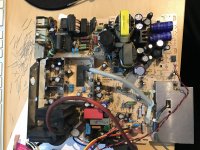
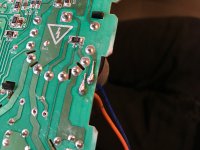
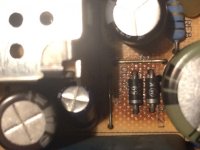
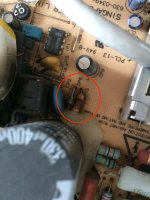
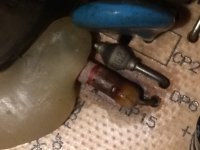
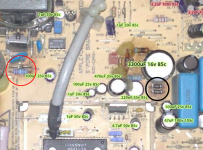
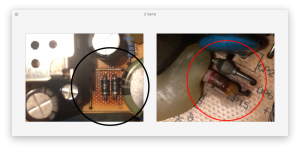
The dark spots around DL21/22 are normal. Those just get hot due to the way the circuit is designed. Usually those work normally even if they look burned. Replacements would just get as hot.
Also be prepared to reattach and strengthen a few pads.

Hi Boyle and TechKnightThe pads already have been loose in the first place. Everything has been cleaned and fluxed the proper way.
The stress I talked about coming more from the usual handling than from my soldering i.e. stress on those wires due to movement when handling the innards of the machine and heat from the components itself when operating.
As for the diodes and resistors getting hot and discolouring the board there are already a lot of threads about that out there.
The diodes at 21/22 should keep voltage down to keep sweep in the 512* range as the board was designed with 640*480 in mind already to some extent.
For the resistors you could always go for bigger ones (ie higher wattage rating). They should disperse heat a little better than the original ones. Apple probably went the route to save costs for higher rated ones there and sacrifice some long term durability.

I've been watching PACE soldering videos on youtube and they repeatedly mention not leaving the iron on the board for more than 2-3 seconds at a time. Thanks a million for your recommendation.I use my Hakko F888D iron and its amazing. Heats up within 10 seconds and its only about $100.


Great advice, I like the fact that you are being honest, humble and sharing good practice. I sincerely appreciate it!People may disagree with me doing it myself, but if you do it yourself you learn something for the rest of your life. Knowing how to solder. I've always wanted to know how...
Absolutely, I agree with you. Well at the moment I would like to focus on the analog board but still, I absolutely appreciate the advice. I don't know why but I enjoy watching Louis Rossman on youtube repairing boards. He is very skilled and yes SMTs are tiny and he is very good at getting them in place — lots of fluxI know we're talking about Analog Boards here, but I want to say something about recapping Logic Boards: if you're gonna be replacing SMT components, I think it's essential that you buy/use a pair of SMT tweezers to help you hold the cap in place while you solder, or at least tack down the first side. Without that... well, good luck trying to hold onto a tiny cap while you solder. I hope you don't mind burning your fingers
 .
.