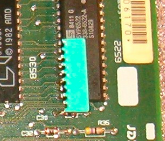
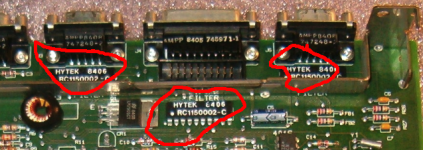
While this is a non-upgraded 1984 128K design, it is definitely not a "first edition". A couple of key indicators are the ROMs are Rev. B - granted they could have been upgraded after the fact, however, the RAM chips also have the large Apple logo which were not included in the 128K boards until later (it does appear that at least one 64 RAM chip has been repaired with a 256). Another indicator is the piggy-backed resitor array at D15 - again this could have been added after the fact. And finally there's Trash's observation that the cpu is a standard chip, not the ceramic variety used in the earliest boards. Again, in the early boards Apple sourced their chips from several vendors so this is not an absolute indocator, but the presence of all four of these things suggests a later run board, though not a guarantee. As far as I know, aside from the ROMs, there is absolutely no functional difference between the first production run 128K boards and the later ones. Besides sourced components, for which there is no consistent set of rules, the boards are otherwise identical. So the only reason to search for an early "stock" board would be bragging rights. In fact the lack of the D15 resistor array could lead to random crashes. Again I don't think this board has ever been upgraded ... But a sure fire way to know is to look at the reverse and check for a severed trace at E3.
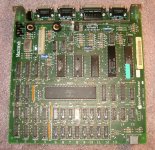
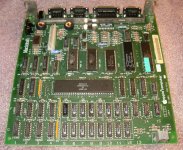
Giolicious, out of curiosity, would you mind listing the differences you see between the boards?
Trash, that is the first I have read about the Killy Klip compatibility between the ceramic CPUs chips and the plastic ones. So you are saying a Kily Klip won't work on a plastic CPU, or just not as reliably as on the earlier ceramic ones? I ask because I have seen several Killy Klips mounted on such chips.








 ] ]'>
] ]'>