Easier to just go for 4 layersAlso the cost of the PCB is sort of dwarfed by the cost of assembly and parts. One of the argument in favor of a resistor ladder for VGA is the 12.50€ list price (quantity of 1) at Mouser for the DAC chip... I didn't realize until I added it how expensive analog chips are. The CPLD is only 2.70€ if you get the fastest one (probably not needed, but not much more expensive than the slowest).
XC7A35 on the FPGA board I have, though they are available with the 50/75/100 as well. But a 35 is more than enough unless adding an heavy-duty crypto engine and/or a lot of acceleration to the framebuffer (even a 35 fit my custom VexRiscv core for the SBusFPGA's cg6 easily, if the crypto core is not present).
The 'fan' header is sort of just-in-case; some SPARCstation have borderline cooling (the 10 is famous for its overheating issue when fully kitted, the quad-CPU version was announced but never delivered because of that), and the stacked design of the SBusFPGA blocks airflow so I added a 5V fan header ; I figure it could be useful in a Mac as well. It could also be used if some NuBus signals needs a missing pull-up/down. The 3.3V/GND header is also there for emergency pull-up/down. I should also add some testing points to make using a logic analyzer easier, but I'm not sure where / how - and the 2.54" header to the FPGA board does give some reasonable level of accesses to its signals; ditto the large NuBus DIN connector.
... now that you've mentioned the fan, makes me think I should check how much power the 12V line offers, a 12V fan header could be useful as well (the 12V line on SBus is very limited in power). There's room on that board, might as well take advantage of it
Indeed. The DIP-44 was kinda a joke
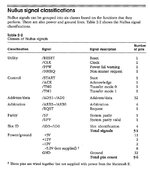
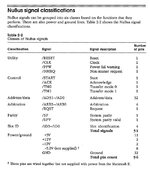
. Yeah a 12V fan header may be nice if there is enough current supply for hit, plus maybe you can PWM it with a softcore or something.As for looking at NuBus signals, you can use the slot next to your board for emergency, besides the IRQ one, all pins should be common IIRC.