Figuring a dedicated thread here might be the way to go. Hoping you Raspberry Pi boffins will join into the fray. 
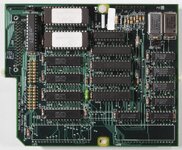
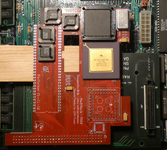
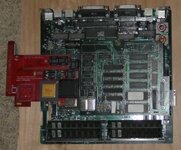
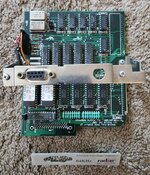
Subject's a spinoff from attempts at cloning Radius FPD Cards, but useful in supporting existing cards for which there is no acceptable method of displaying the output at present. Scanline output of the Portrait card is at right angles to conventional displays, hence the need for rotation of the output.
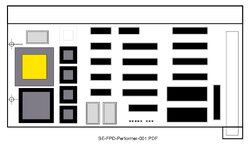
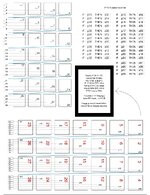
My noggin defaults to spreadsheet mode, which translates well into coding for the Pi I think? So diagram illustrates row and column cells being resorted.
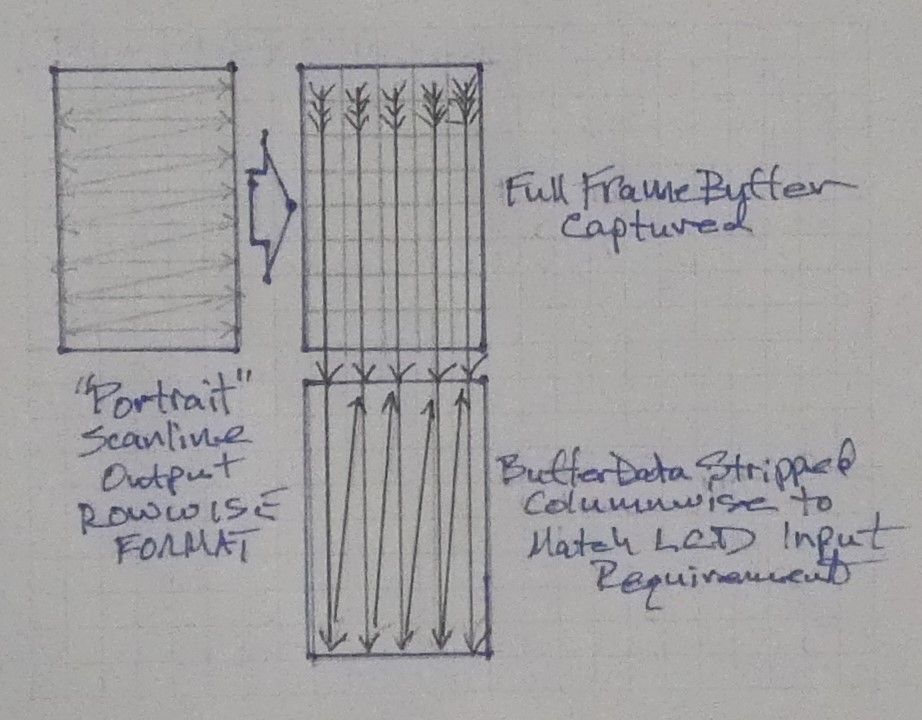
Rotation of the image appears to be the most serious obstacle, but my concept for column stripping of the frame buffer might be as simple as is gets?
The first approach Nick Gillard looked at for his Pico-Mac-Nano would appear to be the same as the diagram above? He abandoned it and went with a compromised approach using a portion of his native 480x640 "Portrait" format LCD which did an end run around the rotation problem overtaxing the Nano and made for a much smaller Mac replica.
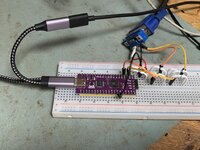
Arduino Nano on the clones could take care of rotation, but switching platform kills two birds with one stone, no?
1) Pi Zero/Zero has Mini HDMI output right there on board
2) Mini HDMI is perfect for a custom panel display and adaptable to DVI-D for using 19" range, obsolescent, pre-HDMI Displays with DVI-D.
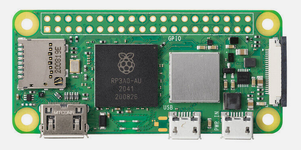
Zero 2 W is overkill, but for less than $20 on Ali, socketing one onto a Full Page Display clone is a no-brainer?*****
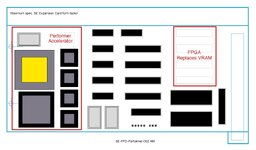
Question: where might be the best place to capture the frame buffer? Readout from VRAM buffer or the Zero itself acting as/replcing VRAM on the board? If not enough GPIO on the Zero (unlikely) to strip the columnar data from the captured Frame Buffer in VRAM it could be captured from the interface cable pins. That would be the way to go for the OEM boards, so tradeoffs?
But I imagine there's a way to channel the FPD's VRAM buffer through the Zero's GPIO lines? In that case it might replace the VRAM frame buffer entirely, rotate image and spit it directly our its Mini HDMI port?
Scaling would be the next bugaboo, if and when. But that's for another day/topic, 1024x768 panel @jmacz suggested arrived today!
***** on a tangential note the Pi Zero 2W would have access to the full 68000 bus, so might have other uses not limited by the SCSI bottleneck?
Subject's a spinoff from attempts at cloning Radius FPD Cards, but useful in supporting existing cards for which there is no acceptable method of displaying the output at present. Scanline output of the Portrait card is at right angles to conventional displays, hence the need for rotation of the output.
My noggin defaults to spreadsheet mode, which translates well into coding for the Pi I think? So diagram illustrates row and column cells being resorted.
Rotation of the image appears to be the most serious obstacle, but my concept for column stripping of the frame buffer might be as simple as is gets?
The first approach Nick Gillard looked at for his Pico-Mac-Nano would appear to be the same as the diagram above? He abandoned it and went with a compromised approach using a portion of his native 480x640 "Portrait" format LCD which did an end run around the rotation problem overtaxing the Nano and made for a much smaller Mac replica.
Arduino Nano on the clones could take care of rotation, but switching platform kills two birds with one stone, no?
1) Pi Zero/Zero has Mini HDMI output right there on board
2) Mini HDMI is perfect for a custom panel display and adaptable to DVI-D for using 19" range, obsolescent, pre-HDMI Displays with DVI-D.
Zero 2 W is overkill, but for less than $20 on Ali, socketing one onto a Full Page Display clone is a no-brainer?*****
Question: where might be the best place to capture the frame buffer? Readout from VRAM buffer or the Zero itself acting as/replcing VRAM on the board? If not enough GPIO on the Zero (unlikely) to strip the columnar data from the captured Frame Buffer in VRAM it could be captured from the interface cable pins. That would be the way to go for the OEM boards, so tradeoffs?
But I imagine there's a way to channel the FPD's VRAM buffer through the Zero's GPIO lines? In that case it might replace the VRAM frame buffer entirely, rotate image and spit it directly our its Mini HDMI port?
Scaling would be the next bugaboo, if and when. But that's for another day/topic, 1024x768 panel @jmacz suggested arrived today!
***** on a tangential note the Pi Zero 2W would have access to the full 68000 bus, so might have other uses not limited by the SCSI bottleneck?
Last edited: